The UNDP CGE (Computable General Equilibrium) model is an economy-wide analytical tool that represents how different parts of an economy interact and respond to change. It captures the interdependence between industries, the behavior and interactions of key economic agents, such as producers, workers, consumers, government, and the rest of the world, and how prices influence decisions across markets. By incorporating macroeconomic constraints, the model provides a coherent framework for simulating how policies or external shocks ripple through the economy, affecting growth, employment, incomes, and overall development outcomes.
The model can simulate:
The UNDP CGE model maps the full distributional path of an economic shock, tracing impacts from the aggregate economy to individual households through five transmission channels.
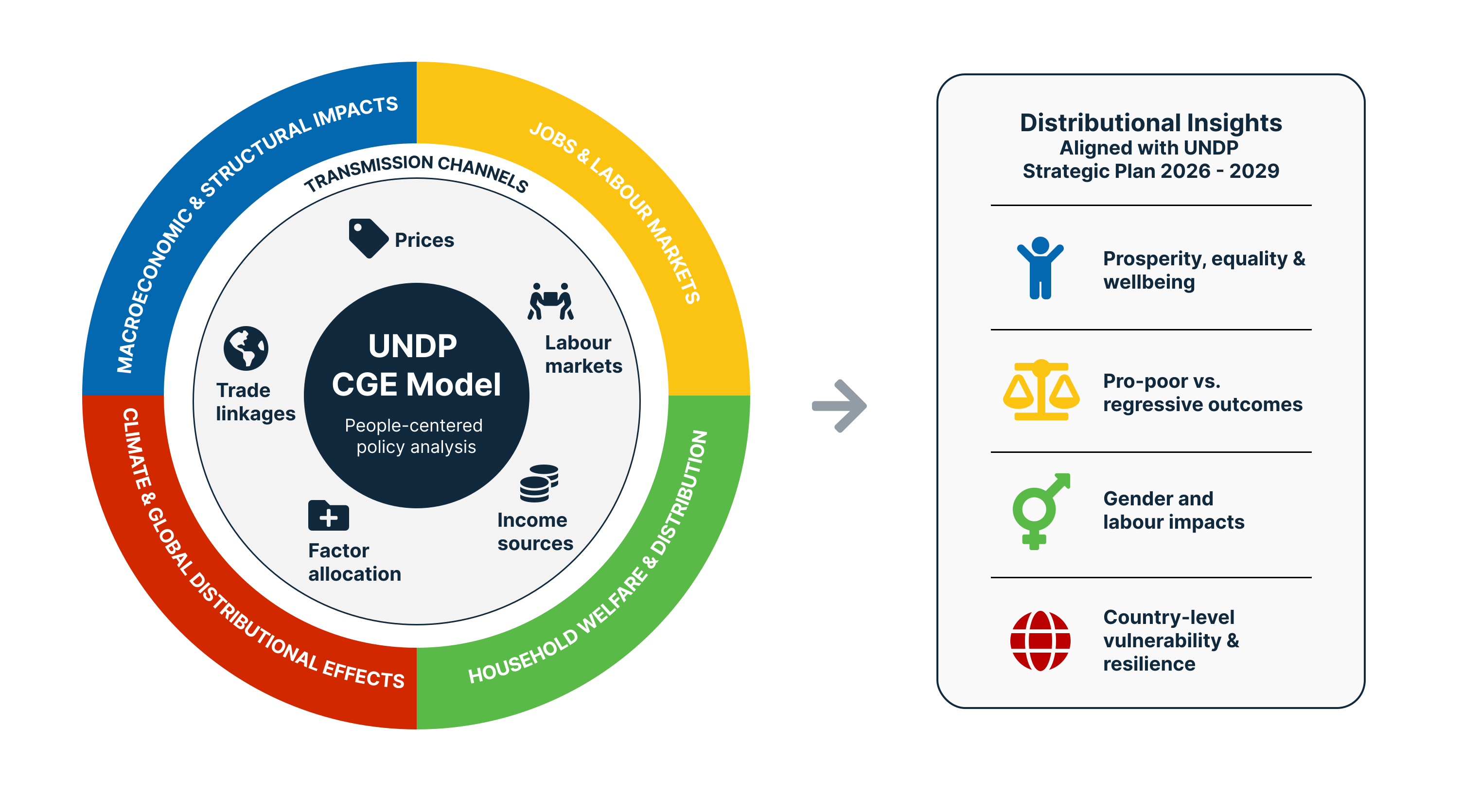
Hover over the image to see questions the CGE model can answer
The UNDP CGE model's added value of integrating household heterogeneity in both income generation and expenditure within a unified global framework.
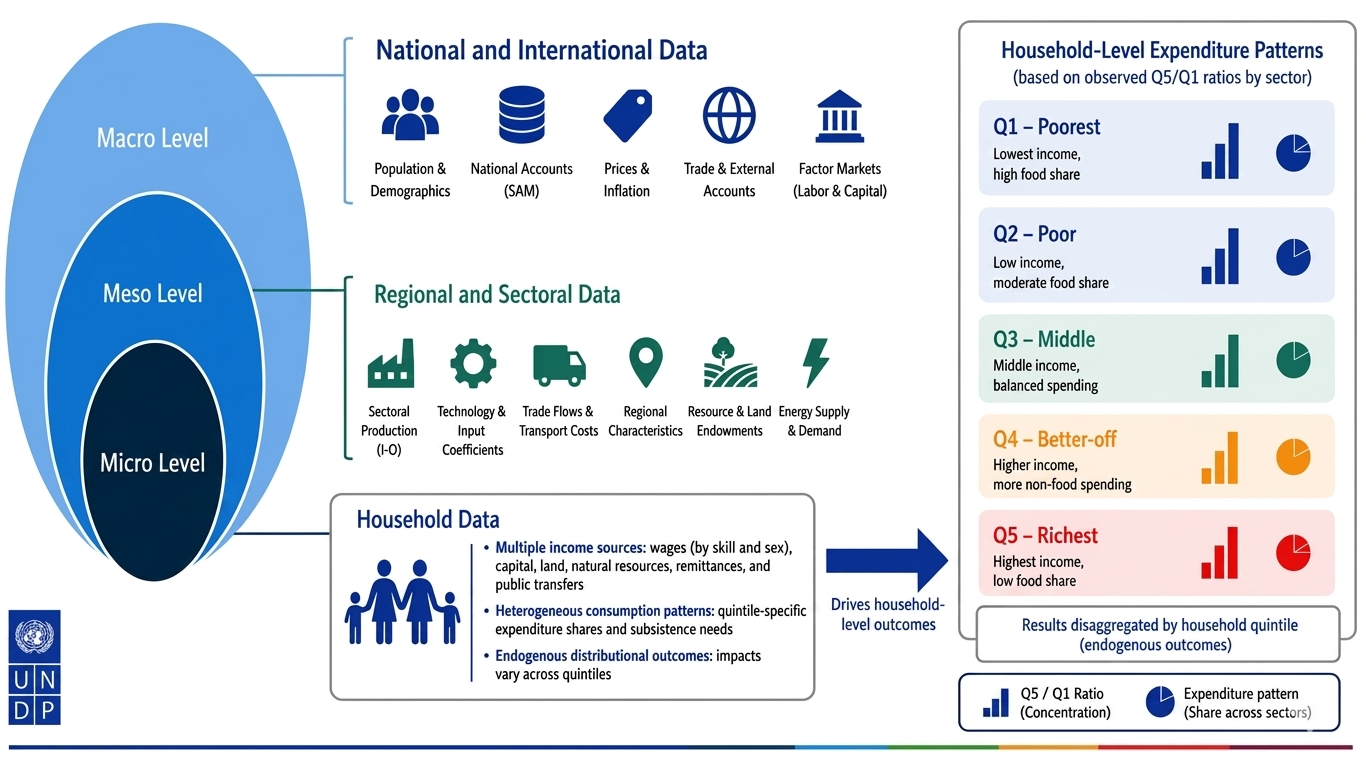
Adding the distributional layer to the GTAP data

countries and regional
aggregates covered
sectors spanning agriculture, manufacturing, energy, and services
household types per country , each with distinct income and consumption profiles
income sources per quintile: labor, capital, land, natural resources, remittances, and public transfers
Who earns what
Who consumes what
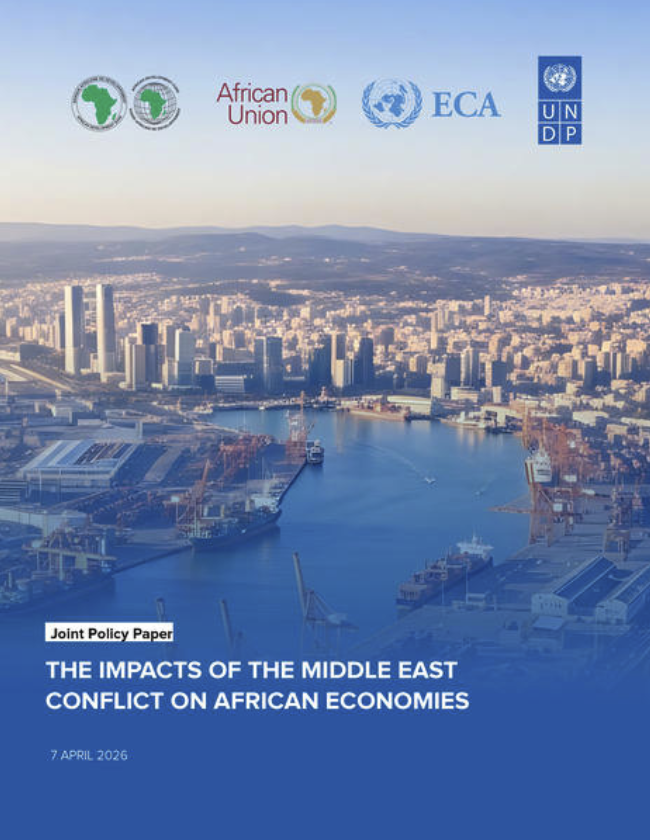
This joint policy paper maps how global geopolitical shocks impact African economies, from disrupted trade routes and volatile energy and fertilizer markets to exchange‑rate pressures and financial instability.
This paper introduces the UNDP World CGE Model, a people-centered global framework covering 125 countries and designed to assess how policy choices and shocks affect economies, households, and vulnerable groups.
Under the overall guidance and direction of Mandeep Dhaliwal, Director, Prosperity and Wellbeing Hub, the UNDP CGE Model Team is led by Babatunde Abidoye (babatunde.abidoye@undp.org), Global Policy Advisor, Bureau for Policy and Programme Support (BPPS), United Nations Development Programme (UNDP), together with Maria Moz-Christofoletti (maria.moz-christofoletti@undp.org), Economic Policy Specialist, UNDP; Edvard Orlic (edvard.orlic@undp.org), Economic Policy Specialist, UNDP; Alefa Banda (alefa.banda@undp.org), Economic Policy Specialist, UNDP; and Véronique Robichaud, Independent Researcher and CGE Modelling Expert.
At the regional and country levels, the work is supported and advanced through regional initiatives and partnerships led by UNDP regional chief economists, in collaboration with national economists and policy teams in UNDP country offices. This network helps ensure that the model is adapted to regional priorities, country contexts, and concrete policy needs.
